
ZXJP919 · Fabric opening and squeezing
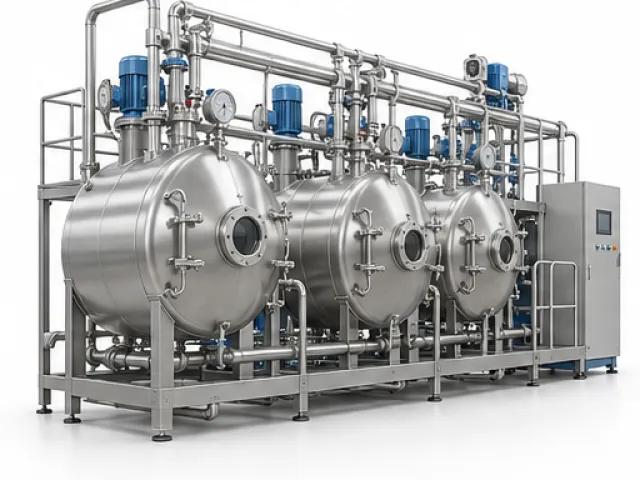
Equipment model · ZXJP919
The ZXJP919 is a stenter line for drying and finishing cloth. On the oven page, its mechanical width runs from 1800 to 4600 mm, the mechanical top speed is 100 m/min and the working process range is 10–90 m/min. Heating can be oil, natural gas, LPG or electric, and several AC motors run under synchronised variable-frequency control. In front of the oven sit spreading, squeezing and edge-guided pin entry; at the far end you choose between three roll and fold set-ups. Send a fabric sample, its moisture on arrival and the finished width you want with the enquiry.
Manufacturer: Jinpei Dyeing Machinery
- Mechanical width
- 1800–4600 mm
- Speed
- 100 m/min mechanical top speed; 10–90 m/min process range
- Heating
- Oil, natural gas, LPG or electric
- Compressed air
- 0.4–0.6 MPa
- Oven insulation
- 150 mm panels
- Drive
- Several AC motors, synchronised variable-frequency control
- Delivery
- Woven batching, knit plaiting with small winder, or combined plaiting
Published specifications
Values below come from the maintained catalogue record. The guide review date does not renew an earlier specification: read the dated source notes and confirm a current, matched configuration before comparing products.
Swipe the table sideways to see every column.
| Parameter | Published value |
|---|---|
| Opening rollers | 2 |
| Centring | Infrared |
| Squeezing arrangement | Two rubber rollers, pneumatic |
| Woven rolling option diameter | 2000 mm |
| Knitted rolling option diameter | 600 mm |
ZXJP919 oven figures and the question behind each
Jinpei prints these figures on the oven page for the ZXJP919. They cover the range of the design, so ask for a final technical schedule naming the width, chamber count and heater fitted to your machine. To see other lines that work at this stage, look through other dyeing and finishing lines on the site. [1]
Swipe the table sideways to see every column.
| Item | Oven page | What to ask |
|---|---|---|
| Mechanical width | 1800–4600 mm | The working width of your machine and the finished cloth width it gives. |
| Speed | 100 m/min mechanical; 10–90 m/min process | The speed your fabric can run at while still reaching the finish you need. |
| Heat source | Oil, natural gas, LPG, electric heating | Which one is fitted, at what capacity, and what the site must supply. |
| Compressed air | 0.4–0.6 MPa | Flow, air quality and connection size. |
| Drive | Multi-unit AC motors with synchronised variable-frequency control | Motor list, control system and how sections stay in step. |
| Oven insulation | 150 mm panels | Measured heat loss, if energy use is part of your decision. |
| Connected power | N × 15 + 57.3 kW | What N is, and the total load for your chamber count. |
| Overall size | Formula with unclear operators | A dimensioned drawing with length, width and height. |
Spreading, squeezing and pin entry
Cloth enters over spreading gear with an adjustable angle, then passes two spreader rollers with infrared centring to keep it on line. Next is a squeezing unit with two rubber rolls, where air pressure sets the nip for treating and dewatering the fabric. Jinpei gives no nip pressure, rubber grade or moisture level after squeezing, so ask for these against your own cloth.
An infrared sensor finds the cloth edge and steers it onto the pins. Ask how many sensors are fitted, which edge types they handle, and what the operator does when an edge curls, a seam comes through or the line stops.
Inside the oven, the page mentions hot-air nozzles and temperature control. Request the nozzle layout, number of chambers, temperature range and any uniformity figure for the line on your quote. The note on stenter heat setting and overfeed explains why these settings govern finished width and shrinkage. [2]
Rolls or folds at the delivery end
Each set-up below suits a different next step in your plant. Mark the one you want on the quote, along with any extra unit it needs. [2]
Swipe the table sideways to see every column.
| Set-up | Jinpei's description | Your decision |
|---|---|---|
| Woven batching | Driven draw roll; roll diameter up to 2000 mm; plaiting frame optional | Roll weight and core, winding tension, and the hoist or trolley used to unload. |
| Knit delivery | Driven draw roll and plaiting frame; extra small winder on paper tubes for 600 mm rolls | Whether the small winder comes with the line, and its tension and package limits. |
| Combined plaiting | Driven draw roll and plaiting frame; 1000 mm swing | Fold length, stack height and how the 1000 mm swing is measured. |
Moisture after the oven and energy per metre
Jinpei says an added moistening device brings the cloth's moisture regain evenly to the level needed, and does it fast. No target range or accuracy is given, and the page leaves open whether the device is standard. State the finished moisture you want, how it will be measured and whether the device is in the price.
For the oven, Jinpei points to the insulation and a pull-out filter. To judge energy use, fix the incoming and outgoing moisture, fabric weight, heat source, warm-up allowance and test length before anyone takes a reading.
Meter heat and electricity separately and divide each by accepted output from the same run. Count start-up, stops and rejected cloth the same way on every line you compare, so a short steady run is never set against a full shift. A trial on your own fabric gives figures you can hold the maker to. [1] [2]
Running the acceptance test
Agree measurable limits and Jinpei's operating procedure first, then follow these steps during the acceptance test. [1] [2]
Freeze the order
Write down width, chambers, heat source, entry and delivery options, and the fabric with its moisture on arrival.
Test entry and squeezing
Watch spreading, centring and creasing, and measure dewatering at the recorded settings.
Follow the cloth through
Note edge handling and fabric behaviour at start-up, at steady speed and on stopping.
Run your heat recipe
Log oven temperatures, process speed and the moisture and dimension readings you agreed.
Check finish and package
Measure width, distortion and shrinkage, and inspect the rolls or folds against the package limits.
Keep everything
File samples, settings, run times, accepted output, utility readings where agreed and any open fixes.
Layout, power and handover
The size formula on the oven page mixes N, a length term and the width range with operators that are hard to follow, and N has no definition. Ask for a signed, dimensioned layout of your chambers, entry and delivery units, utility points and service access.
Power appears as N × 15 + 57.3 kW. Ask for a connected-load list with heat and air schedules for the build you buy; what each list should state is set out in the article on installed power and electrical supply. The four heat sources are alternatives, so ask whether your line could switch fuel later.
Handover should include commissioning on your fabric, cleaning instructions for filters and oven, control recipes, spare parts, training and warranty. Price, process accuracy and proven output belong in a dated offer and the signed test record. To weigh this offer against others, compare machine configurations line by line. [1] [2]
Prepare a useful enquiry
Check the information you have ready. Your selections stay on this device as a draft; nothing is sent to a manufacturer.
0 of 8 items ready
Open enquiry workspace →Checklist and notes are not uploaded or saved after reload. Copy or download a draft to keep it. Opening the workspace does not send this draft.
Sources & limitations
Jinpei should put these in writing before you order: the working width, chamber count and heat source of your line, what N means and the resulting load and footprint, which entry, moistening and delivery units are included, the speed and finish your fabric will reach, any energy figure under an agreed test, and the price, output and warranty in a dated offer.
ZXJP919: oven and technical schedule
Jinpei Dyeing Machinery · Undated; accessed 11 October 2026
Mechanical width and speed, process speed range, heat sources, air pressure, drive, insulation and the formulas for power and size.
ZXJP919: entry, squeezing, edge detection and delivery
Jinpei Dyeing Machinery · Undated; accessed 11 October 2026
Spreading and centring, the two-roll squeezer, edge-guided pin entry, the moistening device and the three roll and fold options.
Each source above lists its publisher and the date it was checked. Editorial method · Report an outdated detail