Jinpei Dyeing Machinery makes equipment for preparing and finishing cloth: singeing, desizing and oxygen bleaching, hot-air drying, high-temperature baking, steaming and stenter work. Its most detailed machine is the ZXJP919 stenter line. Jinpei describes it on two pages, one for the oven and its technical schedule and one for cloth entry, squeezing, pin entry and delivery. The oven page gives a mechanical width of 1800–4600 mm and a process range of 10–90 m/min. For a quote, tell Jinpei which process step you are buying for and describe one complete line, from the cloth going in to the package coming out.
Jinpei's company introduction names one model, or a pair of models, for each stage of cloth preparation and finishing. Decide which stage you are buying for, then ask about that model alone. If you are comparing makers, browse dyeing and finishing machinery across the site. [1]
Swipe the table sideways to see every column.
Which Jinpei machine handles which process step
Model
Process
Send with the enquiry
JPSM135-220
Singeing
The incoming fabric and the surface finish you expect after singeing.
JPYP866-180 / JPYP866-200
Desizing and oxygen bleaching
The preparation result you need and the process that follows it.
JPRY133-200 / JPBH878-200
Hot-air drying and base treatment / high-temperature baking
Target moisture, how much heat the fabric can take and the quality you will accept.
JPRS191-200
Steaming and dyeing
Your recipe, dwell time and how the machine links to the steps before and after.
JPLF919-200 and ZXJP919
Stenter work
Working width, number of chambers, heat source and delivery form. Ask which of the two models is being quoted.
02
Putting together a ZXJP919 enquiry
One drawing of the quoted line, entry to delivery, settles more questions than any catalogue figure.
The ZXJP919 is the line Jinpei documents most fully. One page follows the cloth: adjustable spreading with infrared centring, a pneumatic squeezing unit with two rubber rolls, infrared edge detection ahead of the pins, hot-air nozzles with temperature control, and the delivery end. The other page covers the oven, with 150 mm insulation and a short technical schedule.
Because both pages carry one model name, ask Jinpei for a single drawing of the line it is quoting, with each included section marked from entry to delivery. The company introduction also lists a JPLF919-200 stenter. Ask whether it is built the same way as the ZXJP919 before you compare prices.
Tell Jinpei whether the cloth is woven or knitted, how wide and how wet it arrives, and the finished width, handle and package you need. Ask how the line holds the edges and controls overfeed and tension, how the chambers are arranged and how operators reach them. A guide to stenter heat setting and overfeed explains which settings decide finished width. [1][2][3]
03
Three ways the cloth can leave the line
Jinpei offers three delivery set-ups at the end of the ZXJP919. Pick the one your next department can handle and name it in the order. [2]
Swipe the table sideways to see every column.
Three ways the cloth can leave the line
Set-up
What Jinpei describes
Agree before ordering
Woven cloth
Driven draw roll; batches up to 2000 mm across; plaiting frame on request
Heaviest roll allowed, core size, winding control, how rolls come off and whether you want the plaiting frame.
Knitted cloth
Driven draw roll and plaiting frame, plus a small winder for 600 mm rolls on paper tubes
Whether the small winder is in the price, which tube sizes fit and how tension is set.
Woven and knitted
Driven draw roll and plaiting frame with a 1000 mm swing
Fold length, how stacks are handled and what the 1000 mm swing actually measures.
04
Heat, air and power for your site
The oven page lists four heat sources: oil, natural gas, LPG and electric heating. Choose the fuel your plant already has, then ask for the heater capacity, controls and connections that go with it. Compressed air is specified at 0.4–0.6 MPa.
Connected power is printed as N × 15 + 57.3 kW, and the page never says what N stands for. The overall-size formula is also hard to follow. Ask for a signed floor layout and a load schedule for the exact number of chambers you order, and size cables and floor space from those. For the items that schedule should hold, see the buyer note on installed power and electrical supply.
Jinpei promotes the 150 mm insulation as energy saving but publishes no consumption figure. If running cost matters to the deal, arrange a trial with your own cloth, a fixed incoming moisture and metered heat and electricity against the good output. [3]
05
Accepting the line on your cloth
Settle tolerances and sampling with Jinpei before the machine ships, then work through these steps at commissioning. [2][3]
Describe the cloth
Note its construction, weight, width, how wet it arrives and which process came before.
Fix the scope
Sign off the entry sections, oven and heat system, working width, controls and delivery set-up.
Watch the entry
Look at spreading, guiding, creases and edge curl as the cloth goes onto the pins at normal settings.
Log the heat treatment
Write down actual temperatures, speed and moisture readings. The 100 m/min mechanical top speed is a different figure from the speed your recipe runs at.
Judge the result
Check finished width, leftover moisture, shrinkage, appearance and how well the rolls or folds are made.
Close the record
List settings, accepted output, any utility readings, stoppages and fixes before final sign-off.
06
Company names, address and site report
Older records list the company as 新昌县锦沛印染机械有限公司. The current website and contact page use 浙江锦沛印染机械有限公司, and the website dates the business to 2010. Ask which name signs the contract and how that company relates to the plant building your machine.
A workplace testing report from Hangzhou Renan Testing Technology names the older company at Building 5 Unit 1 of the Automotive Electronics Cluster Park in Chengtan. The website contact page gives the same park and building, with the street address 100 Woxi Avenue.
That report covers site sampling in July 2024 and is dated 20 August 2024. One physical-factor point failed the cited requirement and the other points passed. It describes workplace conditions at that time and says nothing about the ZXJP919. You can ask Jinpei what was changed after the failed point.
Part of the certificate sentence on the website cannot be made out. Ask for current certificates that apply to your model, along with delivery support, training and warranty terms. The guide to reading a manufacturer profile shows which company papers carry weight. [1][4][5]
Equipment & specifications
Published model or series information. Open the equipment record for its full scope and configuration notes.
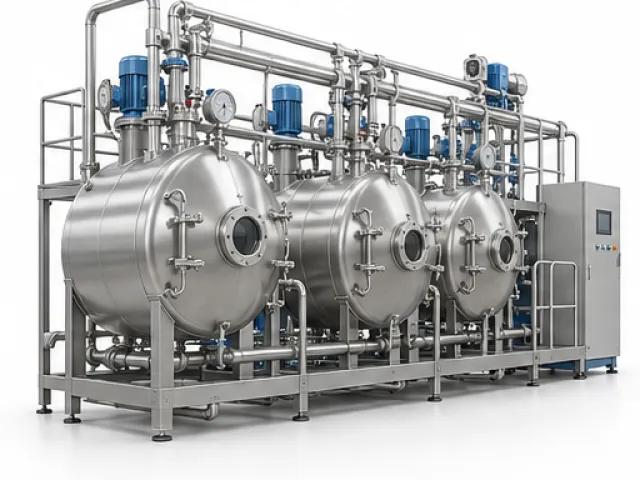
Generic dyeing & finishing machinery illustration · not the listed equipment
ZXJP919 is a stenter line by Jinpei for drying and finishing woven or knitted fabric. Published figures: 1800–4600 mm mechanical width, 100 m/min mechanical top speed, a 10–90 m/min working range, 150 mm oven insulation and 0.4–0.6 MPa compressed air, with heating by oil, natural gas, LPG or electricity. Quote requests go best with a fabric sample, its moisture on arrival, the finished width and the roll or fold delivery wanted.
Checklist and notes are not uploaded or saved after reload. Copy or download a draft to keep it. Opening the workspace does not send this draft.
Sources & review
Before ordering, ask Jinpei to confirm in writing: the company name on the contract, the exact ZXJP919 build with its width, chamber count and heat source, the meaning of N in the power and size formulas, the sections and delivery set-up included, the signed layout and load schedule, the result your cloth must reach at acceptance, and current certificates, training, spare parts and warranty.