
JL-G7 · Fabric inspection and rolling
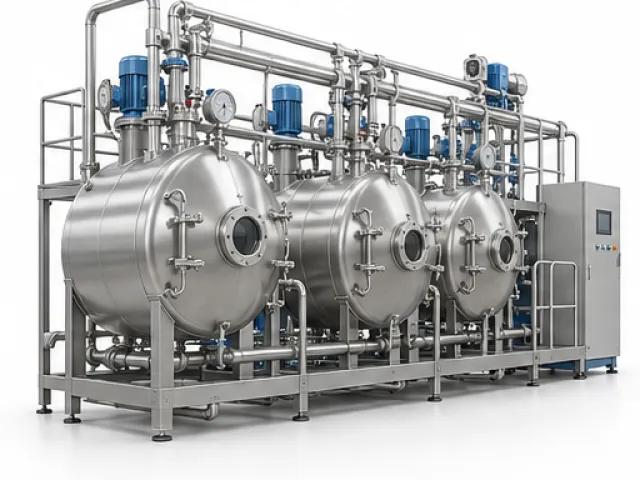
Equipment model · JL-G7
The JL-G7 is a fabric inspection and rolling machine made by Shaoxing Jinlong. It guides the cloth by its edge automatically while an operator inspects it, then winds it onto a finished roll. Jinlong gives its speed as 0–150 m/min and says each unit is configured to the user's needs. It belongs at the end of a finishing line, before fabric is packed or sent to the next process. For a price, describe the fabric, the roll going in and the roll coming out, and how defects should be found.
Manufacturer: Shaoxing Jinlong Machinery
- Machine type
- Fabric inspection and rolling with automatic edge alignment
- Published speed
- 0–150 m/min
- Configuration
- Built to the user's requirements
- Camera or AI inspection
- Described for a larger Jinlong machine; ask whether it is offered on the JL-G7
- Data to request
- Usable width, roll capacity, cores, power and dimensions
Published specifications
Values below come from the maintained catalogue record. The guide review date does not renew an earlier specification: read the dated source notes and confirm a current, matched configuration before comparing products.
Swipe the table sideways to see every column.
| Parameter | Published value |
|---|---|
| Published speed range | 0–150 m/min, maximum configuration subject to requirements |
| Edge alignment | Automatic |
What Jinlong publishes for the JL-G7
Jinlong presents the JL-G7 on its homepage with a photograph, the title of automatic edge-alignment inspection and rolling, and the 0–150 m/min figure. Clicking the card leads to the general product catalogue rather than a sheet for this model.
Because the card is brief, ask for the numbers that size the machine to your work: usable fabric width, the heaviest and largest roll it accepts and produces, core diameters, the tension control fitted, how accurately it measures length, the supply it needs and its footprint. With those on paper you can line up competing configurations from other suppliers.
The same homepage shows a box-type machine with electro-hydraulic guiding, and a separate article describes a large inspection machine with cameras and AI. Ask Jinlong to name the guiding hardware on the JL-G7 and say plainly whether automatic defect recognition can be added to it. A guide to inspection and rolling machines explains how these designs compare. [1] [2]
Four pass marks for one inspection station
A smooth demonstration can hide a weak roll or a counter that drifts. Agree a result for each function before the machine runs, and decide what will be measured to judge it. [1]
Swipe the table sideways to see every column.
| Function | Agree beforehand | Measure during the run |
|---|---|---|
| Edge guiding | How far the edge may wander and how the guide reacts to uneven edges | Edge position in steady running, at speed changes and after restarts. |
| Defect inspection | Which faults must be caught, how they are graded and logged, and the lighting | Your defect samples at the chosen speed, noting which calls the operator makes and which the machine makes. |
| Roll building | Alignment and firmness, with no creases or stretch beyond your limit | The finished roll handled and checked for edge build and telescoping. |
| Length counting | The allowed difference from a reference length | Counter reading against a measured length of the same cloth, with tension and slip noted. |
Fabric and roll details that change the build
Tell Jinlong the construction, usable width, weight, stretch and recovery, and the condition of the edges. If continuous guiding and roll handling are part of what you are buying, ship a working roll of the real cloth instead of a swatch.
Give the incoming roll diameter and weight, its core and how it unwinds. Then give the target roll diameter and weight, core, winding direction and the process it goes to next. A roll heading for coating or lamination may need different winding from one packed for a customer.
List the seams, curling edges and uneven selvedges that turn up in daily production, and ask Jinlong how the JL-G7 deals with each. A photograph of the machine says nothing about which fabrics it runs well. [1]
Picking a running speed you can inspect at
The 0–150 m/min range describes how fast the JL-G7 moves cloth. The speed that matters is the one at which your operator still spots the agreed faults and the roll still comes out right. Ask for the speed range on the unit offered and see that speed shown on your fabric.
For visual inspection, judge the lighting, the viewing angle, how the machine stops and marks a fault, and what record it keeps. If you want automatic detection, request a proposal covering the cameras, software and lighting, plus a test that counts hits and false alarms on your samples.
Measure output as accepted metres or rolls across a complete run. Include loading, stops for faults, roll changes and any rework, because transport speed leaves all of these out. [1] [2]
A JL-G7 run from first roll to accepted settings
Use these steps as the outline of an acceptance protocol with Jinlong. Fix tolerances and safe working procedures in writing before the first roll goes on. [1]
Fix inputs and targets
Write down the fabric, roll and core, the inspection method and the length and roll criteria for delivery.
List the hardware
Name the guide sensor and actuator, drives, lights, counter and any optional inspection or marking unit.
Thread and bring up to speed
Follow the manual, then watch guiding, tension behaviour, creasing and edge handling from start-up to steady running.
Run the defect samples
Pass your reference faults through at the chosen speed and check how the operator or the system logs them.
Stop, restart, complete the roll
Look for restart marks, compare length with the reference, then check roll edges, firmness, telescoping and removal.
Save the recipe
File the settings, measurements, sample references and timings for the whole cycle with the purchase order.
Layout, power and handover
Ask for a dimensioned drawing that shows loading, doffing, the operator position and service access. It should state the roll loads allowed at the unwind and rewind and the lifting or handling devices included.
Request the supply voltage, phase and connected load, other utilities, guarding, and the exact control system and manual. Figures for other Jinlong models belong to those models, so take only JL-G7 numbers into your plans. Other machines for the same stage are listed under finishing-room machinery.
Agree commissioning on your fabric, operator training, counter checks, maintenance of the guide, spare and wear parts and how fast service responds. Get a current price in writing with the configuration it covers. [1]
Prepare a useful enquiry
Check the information you have ready. Your selections stay on this device as a draft; nothing is sent to a manufacturer.
0 of 8 items ready
Open enquiry workspace →Checklist and notes are not uploaded or saved after reload. Copy or download a draft to keep it. Opening the workspace does not send this draft.
Sources & limitations
The purchase contract for a JL-G7 should state, in figures agreed with the seller: usable width, input and output roll weight and diameter, core sizes, the guide sensor and actuator, the tension control, length-counter accuracy, the speed agreed for your fabric, whether camera or automatic defect inspection is included, supply and connected power, dimensions and the price for that configuration.
Homepage: JL-G7 and neighbouring machine cards
Shaoxing Jinlong Machinery Industry · Undated; accessed 11 October 2026
The JL-G7 card with its automatic edge-alignment title, 0–150 m/min speed and note on configuration to user needs. The G2, box-type and large-roll cards describe other machines.
JL large fabric-inspection and rolling machine
Shaoxing Jinlong Machinery Industry · 8 March 2025; accessed 11 October 2026
A Jinlong article on a larger inspection and rolling machine, with general wording on camera and AI inspection.
Each source above lists its publisher and the date it was checked. Editorial method · Report an outdated detail