Shaoxing Jinlong Machinery Industry (绍兴劲龙机械工业有限公司) makes machines that handle fabric after dyeing and finishing. The catalogue covers inspection and rewinding, opening and slitting, cutting, folding, laying, packaging and conveying, and the company dates its start to 2006. Its listed inspection model is the JL-G7, which inspects and rolls fabric with automatic edge alignment at a published 0–150 m/min, configured to what the buyer asks for. Tell Jinlong which stage of your line you are equipping and send the fabric and roll details with the enquiry.
Speeds and features on one Jinlong card belong to that machine. Ask for the sheet of each model you shortlist.
Jinlong groups its machines by the job done to finished fabric. Start from the stage you need and the form the fabric must leave in, then compare names and speeds inside that family. The table maps each family to the details a first enquiry should carry. Other makers in the same field appear under dyeing and finishing equipment on this site. [1][2]
Swipe the table sideways to see every column.
Jinlong machines by stage of the finishing line
Job on the line
Jinlong family
Send with the enquiry
Inspecting and rewinding finished fabric
JL-G7 and the other inspection and rolling machines
Fabric construction and width, the incoming roll, how defects are judged and the finished roll you need.
Moving large rolls between processes
A pneumatic light-box machine for large rolls
The processes before and after, roll weight and diameter, and how rolls are lifted.
Opening or slitting tubular fabric
Opening, slitting and cutting machines
Whether the fabric arrives tubular or open, how the edges behave, and the width to deliver.
Folding, rolling or laying
Folding, rolling and laying machines
The fold or lay pattern, tolerances and how the article is handled afterwards.
Packing rolls for dispatch
Packaging and conveying machines
Roll size and weight, wrapping material, labels and the handling route to the truck.
02
The JL-G7 inspection and rolling machine
The JL-G7 is the model Jinlong shows on its homepage for inspecting and rolling fabric. The card calls the alignment automatic, gives 0–150 m/min, and says the configuration follows the customer's requirements. No usable width, roll capacity, core size, machine size, power figure or measuring accuracy appears on that card, so a dated technical schedule for the unit offered to you is the first thing to request.
A buyer is really asking one station for three results. Guiding keeps the fabric edge on its line. Inspection is how a defect gets seen, graded and logged. Rolling decides the shape and firmness of the finished roll. Write a pass mark for each one, because a machine can track edges well and still build a soft or telescoped roll. For background on how inspection and rolling machines differ, a separate buying guide covers the main designs.
Jinlong's homepage credits electro-hydraulic guiding to a separate box-type machine, and a 2025 article on a large inspection machine talks about cameras and AI. Ask Jinlong which guide sensor and actuator the JL-G7 uses, and whether any camera inspection is offered on it. If automatic defect detection matters, ask for a written system description and a test on defect samples you choose. [2][5]
03
Running your fabric through the JL-G7 before you buy
Take a full roll of your own production fabric to Jinlong rather than a small clean cutting, and settle the pass marks with Jinlong before the run starts. The steps below make a useful factory run and later serve as the basis for sign-off at the factory. [2]
Describe the material
Note the construction, width, weight and stretch, the incoming roll and core, and the roll you want out. Include awkward edges and the kind of joins found in normal work.
Thread it and set the guide
Agree the fabric path, the reference edge, the sensor position and the settings that affect tension.
Inspect at working speed
Look at the lighting and where the operator stands, run the defect samples you brought, and follow how faults are marked and logged.
Accelerate, run and stop
Watch edge tracking, creases, stretching and slip, then restart and look for marks left at the stop.
Measure length and the roll
Compare the counter with a measured reference length. Check edge build, firmness and telescoping, then lift the roll off as your staff would.
Record the accepted setup
Keep the sample and defect references, speed and settings, the results and the list of equipment fitted, and attach them to the order.
04
Floor layout, training and service
Give Jinlong your door opening, the floor area you can spare and the heaviest roll you plan to run. Ask for a layout drawing that shows loading, the operator's viewing position, roll removal and service space around the frame.
Settle which loading and doffing devices, guards, lights, length counter and marking or logging system come as standard and which are options. Put automatic defect inspection, slitting and any packing equipment on separate quotation lines.
Agree training in threading, settings, counter checks and recovering from faults, using the manual that ships with the machine. Cover wear parts, cleaning and alignment of the guide sensor, remote and site visits, and who carries the warranty.
Judge output by good metres per shift on your fabric, counting roll changes and stops for defects. The top of the 0–150 m/min range tells you how fast the frame can move cloth, which is a different number. [2][4]
05
Which Jinlong this is
Several Chinese machinery makers are transliterated as Jinlong. This one writes its name 劲龙 and makes fabric-handling machines in Shaoxing. Companies named 金龙 in other machinery fields are separate businesses, so check the Chinese characters on every quotation and contract.
On Made-in-China the company has a showroom under its exact name with an identity-authentication label, showing winding, inspection and packaging machines and an address on Shiji West Street. The official contact page gives 13 Tangong Road, Doumen Subdistrict, Yuecheng. Ask which address is the contracting seller, which one you can visit, and where the machine ships from.
The company introduction dates Jinlong to 2006 and quotes large cumulative totals of customers and machines without a date. If those figures weigh in your choice, ask for current references in your own fabric segment. A guide to manufacturer profiles explains which documents are most useful when you shortlist a supplier. [1][3][4]
Equipment & specifications
Published model or series information. Open the equipment record for its full scope and configuration notes.
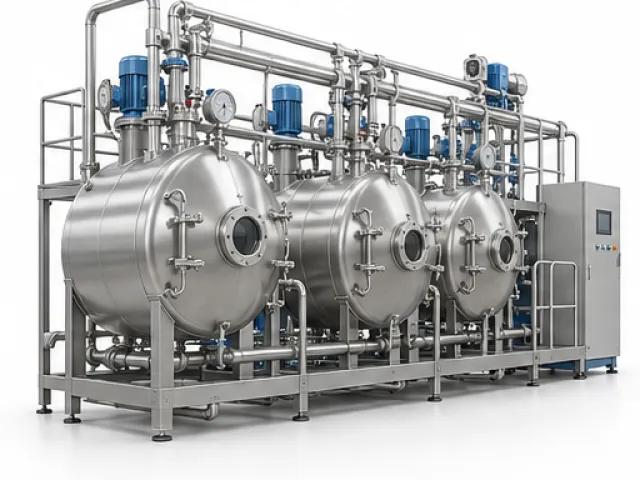
Generic dyeing & finishing machinery illustration · not the listed equipment
The JL-G7 from Shaoxing Jinlong is a fabric inspection and rolling machine with automatic edge alignment. Jinlong publishes a speed of 0–150 m/min and builds each unit to the buyer's requirements. Width, roll capacity, power and accuracy figures come with the quotation, not the homepage card. Send your fabric construction and width, the incoming and finished roll sizes and the defects you need to catch.
Swipe the table sideways to see every column.
JL-G7 catalogue values
Parameter
Published value
Published speed range
0–150 m/min, maximum configuration subject to requirements
Checklist and notes are not uploaded or saved after reload. Copy or download a draft to keep it. Opening the workspace does not send this draft.
Sources & review
Have Shaoxing Jinlong put these points on the quotation before you place an order: the JL-G7 usable width, roll weight and diameter limits, core sizes, dimensions, weight and installed power; the guide sensor and actuator fitted; whether any camera or automatic defect inspection is included; the speed agreed for your fabric; the length-counter accuracy; the items supplied as standard; and the company and address that sign the contract and give the warranty.
Company introduction
Shaoxing Jinlong Machinery Industry · Manufacturer publication
Jinlong's start in 2006, its range of inspection, winding, opening, folding, packaging and drying machines, and its customer and machine totals.
Publication: Undated; accessed 11 October 2026 · Reviewed: 2026-10-11
Homepage: JL-G7 and neighbouring machine cards
Shaoxing Jinlong Machinery Industry · Manufacturer publication
The JL-G7 card with its edge-alignment title and 0–150 m/min speed, plus separate cards for the G2, box-type and large-roll machines.
Publication: Undated; accessed 11 October 2026 · Reviewed: 2026-10-11
Shaoxing Jinlong company-information showroom
Made-in-China.com · Independent institutional record
The exact Chinese company name with an identity-authentication label, the machinery on show and a Shiji West Street address.
Publication: Undated profile; accessed 11 October 2026 · Reviewed: 2026-10-11
Official contact page
Shaoxing Jinlong Machinery Industry · Manufacturer publication
The 13 Tangong Road address and a telephone contact route.
Publication: Undated; accessed 11 October 2026 · Reviewed: 2026-10-11
JL large fabric-inspection and rolling machine
Shaoxing Jinlong Machinery Industry · Manufacturer publication
An article on a large inspection and rolling machine that describes camera and AI inspection in general terms.
Publication: 8 March 2025; accessed 11 October 2026 · Reviewed: 2026-10-11