Shaoxing Hedeng Machinery is a small company in Keqiao, registered in 2018, that makes four kinds of equipment for the finishing end of dyeing and printing mills: tensionless fabric inspection and rolling machines, automatic fabric packaging machines that wrap rolls in PE film, fabric conveyors and heat-shrink machines. Its product pages describe each category in general words and list no model codes, dimensions, speeds, roll diameters or power ratings. Buyers should therefore come to Hedeng with their own fabric, roll and packing requirements and ask it to design to them. Request each machine as a separately specified item, then test the offer on your own fabric before comparing prices.
The product centre has four categories with one page in each. The company introduction calls three of them its main series: tensionless rolling machines, inspection machines and automatic fabric packaging machines using PE film. Conveying and heat-shrink equipment are listed as further categories. The table sums up each page and the figures a quote should add. Hedeng's own entry for the tensionless inspection and rolling series has a fuller buying guide. [1][2]
Swipe the table sideways to see every column.
Hedeng's four product lines
Category
What Hedeng describes
Figures to request
Tensionless inspection and rolling
Cloth is checked and wound close to its relaxed state so it does not stretch or deform; meant for textile and garment work, including knit faults such as broken threads and dropped stitches
Model code, working width, speed, roll diameter, lighting, length counting and the way faults are marked
Automatic fabric packaging
A general account of folding, strapping and laying film on the top and bottom of the roll before a heating chamber; the introduction links this line to PE film
Which of those steps Hedeng builds, film specification, roll size range and rolls per hour
Fabric conveying
Belt, motor and frame conveyors that move fabric between stations, with turns and lifts made to order
Belt width, length, load, controls and the connection to the machines on either side
Heat-shrink
Shrink packing in a heated chamber, described as a general-purpose machine that also names food, beverage and pharmaceutical uses
Tunnel size, film type, temperature range and fit for fabric rolls
02
From the finishing exit to a wrapped roll
Hedeng's article advises running the packer slightly faster than the rolling output; otherwise rolls queue up or the line has to stop.
Film choice for PE packing follows roll diameter, so settle the roll size first.
In October 2026 Hedeng posted an article on its site about joining fabric packing to inspection in a finishing plant. It sets out the order below and the points where one unit hands over to the next. Those hand-overs are why a single line price is too vague to compare. [3][2]
Inspection and rolling where cloth leaves the line
The tensionless machine stands at the exit of finishing. The hardness and diameter of the rolls it makes decide whether the film packer can take them without a second film width.
Conveying to the packing station
Conveyors carry rolls from the winder to the packer. Their length, turns and any change of floor level come from your building, so this unit needs your plan before it can be priced.
Film packing
The article covers wrapping and sealing in film and mentions weighing and labelling in some line set-ups. The packaging product page names neither, so ask whether your quote includes them.
Heat-shrink where needed
This stage gives a tight, shaped outer film. Ask for the tunnel to be sized to your biggest roll rather than to general cartons.
03
Inspection and rolling with low pull
This is the one Hedeng machine with its own equipment entry on the site. It is built to check and wind cloth with minimal pull, so that stretch fabrics, knits and light goods keep their width on the way to packing. Hedeng says it handles cotton, linen, silk and wool of different thicknesses. Bring your most delicate qualities to a trial with your own fabric to see how it copes with them.
The same page states that yarn count and evenness are measured automatically and checked against a standard. It gives no data, sensor description or model behind this. If your plant needs any automatic measurement, ask Hedeng to demonstrate it and to describe in writing what it measures and how.
According to Hedeng's October 2026 article, fault judgement on machines of this kind is usually still done by eye: the machine counts length and the inspector marks defects. Plan inspection staff on that basis unless Hedeng offers something else in writing. [2][3]
04
Patents, cases, videos and contact channels
None of the product pages gives a model code, numerical data, a control system, an electrical supply or a price basis. The cases section was empty at the time of access. The video section holds five clips, each titled as an automatic fabric packaging line, with no customer, location or configuration named. The honours section shows two images and does not name the certificates.
The introduction says Hedeng's technical centre holds invention and utility-model patents certified in Zhejiang but lists no numbers. Ask for them and look them up; the site's notes on Chinese patent records show how to look up each number and its scope. Hedeng also says it follows the packaging-machine manufacturing philosophy of Taiwan Hualian. Read that as a statement of approach, and ask directly if a licence or shared design matters to you. A figure of 700 appears on the introduction page without a unit; ask Hedeng what it refers to.
The contact page lists a named person and a mobile number, while its email field was marked as being updated. First contact is likely to be by phone or messaging, so agree an email or other written channel for drawings and offers early on. [1][4]
05
Registration details
Hedeng's business registration describes an existing limited liability company invested and controlled by natural persons. It was established on 17 July 2018 with registered capital of RMB 1 million. The company is classed as a micro enterprise, and its 2025 annual report shows 5 insured employees. Both the registered and annual-report addresses are in Hengshan Village, Yangxunqiao Subdistrict, Keqiao District, the same district as the contact page. The latest approval date on the record is 21 October 2025.
Its registered industry is special-purpose equipment for textile, apparel and leather processing. The business scope covers making, processing, selling, installing and repairing textile and dyeing machinery, parts and fabric packing machines, with related technical services, trade in electromechanical equipment, hardware and industrial lubricants, and import and export of goods. Installation and repair are within the licensed scope; factory capacity, staff skills and export history are outside what a registration shows. Ask Hedeng for documents on those three points; the checklist for when you read a manufacturer profile suggests which ones carry weight.
With a team this size, commissioning, spare parts and warranty response rest on a few people. Ask who would travel to install the line, how long a typical visit lasts and which wear parts Hedeng keeps in stock. [5][1]
06
How to approach Hedeng for a quote
Hedeng publishes no numbers, so the specification takes shape during the enquiry. Working through these steps keeps each machine traceable from offer to handover. Machines for other stages of the mill are grouped under dyeing and finishing. [2][4][5]
Describe the job first
Send fabric types, widths, roll weight and diameter, rolls per shift, the packing format you want and a plan of the building.
Get one offer per unit
Ask for a model or drawing reference, main data, electrical supply and price for each of inspection and rolling, conveying, packing and heat-shrink.
Test on your cloth
Send the most tension-sensitive fabric and the largest rolls you make; record width change, roll shape and how the packed roll looks.
Fix acceptance in the contract
Write in the factory acceptance test, site commissioning, warranty period, spare parts list and response time.
Equipment & specifications
Published model or series information. Open the equipment record for its full scope and configuration notes.
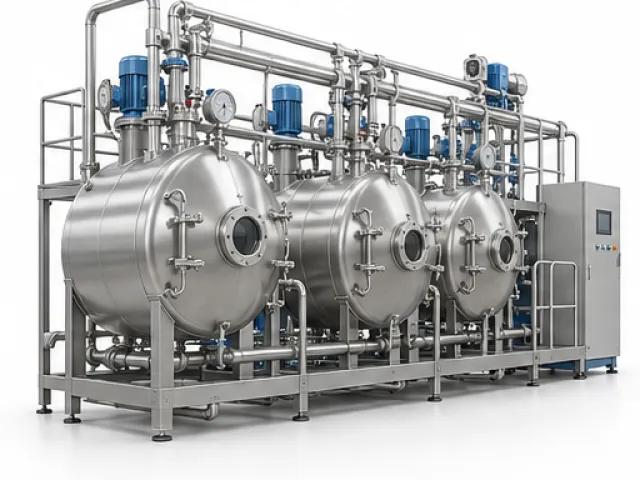
Generic dyeing & finishing machinery illustration · not the listed equipment
Hedeng's tensionless series inspects fabric and winds it into rolls with as little pull as possible, for textile and garment work. The maker publishes a description and three photographs with inclined viewing tables and rollers, but no model code, working width, speed or power figure. To get a quote, send a fabric sample with its width and weight, the defects you inspect for, your target roll size and your floor layout.
Swipe the table sideways to see every column.
Tensionless inspection and rolling series catalogue values
Checklist and notes are not uploaded or saved after reload. Copy or download a draft to keep it. Opening the workspace does not send this draft.
Sources & review
Before ordering, ask Hedeng to confirm in writing: the model or drawing reference and main figures for each unit, whether weighing and labelling are included, what the automatic yarn-count and evenness function measures and how, the patent numbers it relies on, any reference installations and export experience, and its after-sales and spare parts arrangements. Registration details reflect the September 2026 export, so check the current record when you sign.
Hedeng's own account of its Keqiao base, its three main series, its patent statement, the Taiwan Hualian reference, two honours images and a figure of 700 without a unit.
Publication: Undated; accessed 4 November 2026 · Reviewed: 2026-11-04
General descriptions of the tensionless inspection and rolling, automatic fabric packaging, conveying and heat-shrink machines. No model codes or figures.
Publication: Undated; accessed 4 November 2026 · Reviewed: 2026-11-04
Industry news article on linking fabric packaging with inspection in finishing
Contact channels with the email field marked as being updated, an empty cases list and five packaging-line video titles.
Publication: Undated; accessed 4 November 2026 · Reviewed: 2026-11-04
Business registration record
Tianyancha business-information platform (registration data export) · Independent institutional record
Company status, establishment and approval dates, company type, registered capital, size class, insured employees, district, industry and business scope.
Publication: Exported 26 September 2026; reviewed 4 November 2026 · Reviewed: 2026-11-04